“Do you think that coming here will help you not be unhappy?”
DOCTOR
In 1966 the first conversations between people and chat bots took place. The most famous framing was that of therapist and patient, with the chat bot, ELIZA, taking on the role of DOCTOR.
It’s creator, Joseph Weizenbaum, used what at the time was an advanced method of reflecting back the users input, twisting words back in the manner of Rogerian therapists to ask deeper questions about the motivations behind the inputs.
Once the script is revealed as a program, the illusion falls away, however the foundations of even the most modern large language models hark back to the parsing of user input and reflecting back what the user wants to see. These mirrors adapt, learn, repeat, regurgitate. They take our style, they model on our preferences, they pull on the experiences shared.
When we are faced with mirrors that talk back, that re-enforce our self, we enter into a downward spiral. Affirmation machines designed to become a poisoned well of ultra-processed information.
As more and more people seek confirmation of their truths, the nature of our relationship between us and our devices is subtly adjusted to not just our own preferences, but those who control the machines.

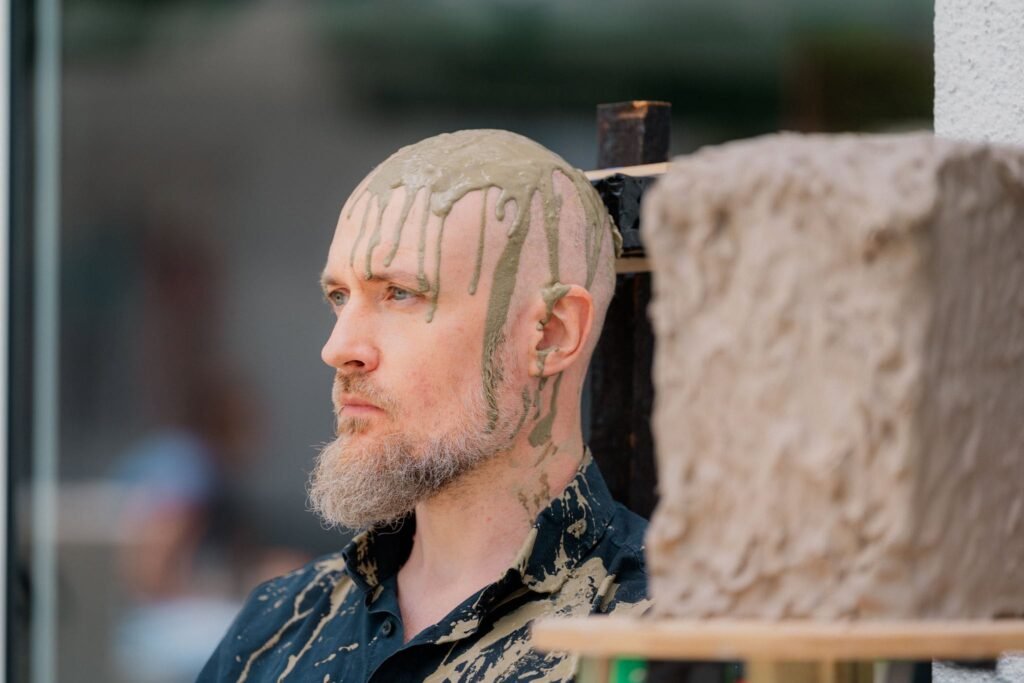
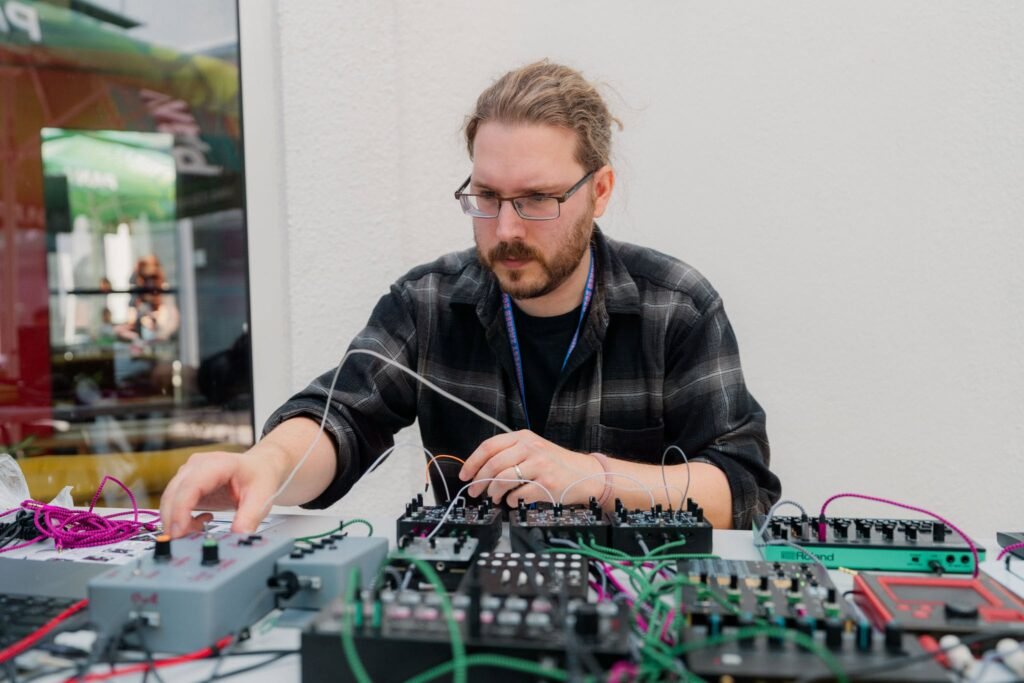
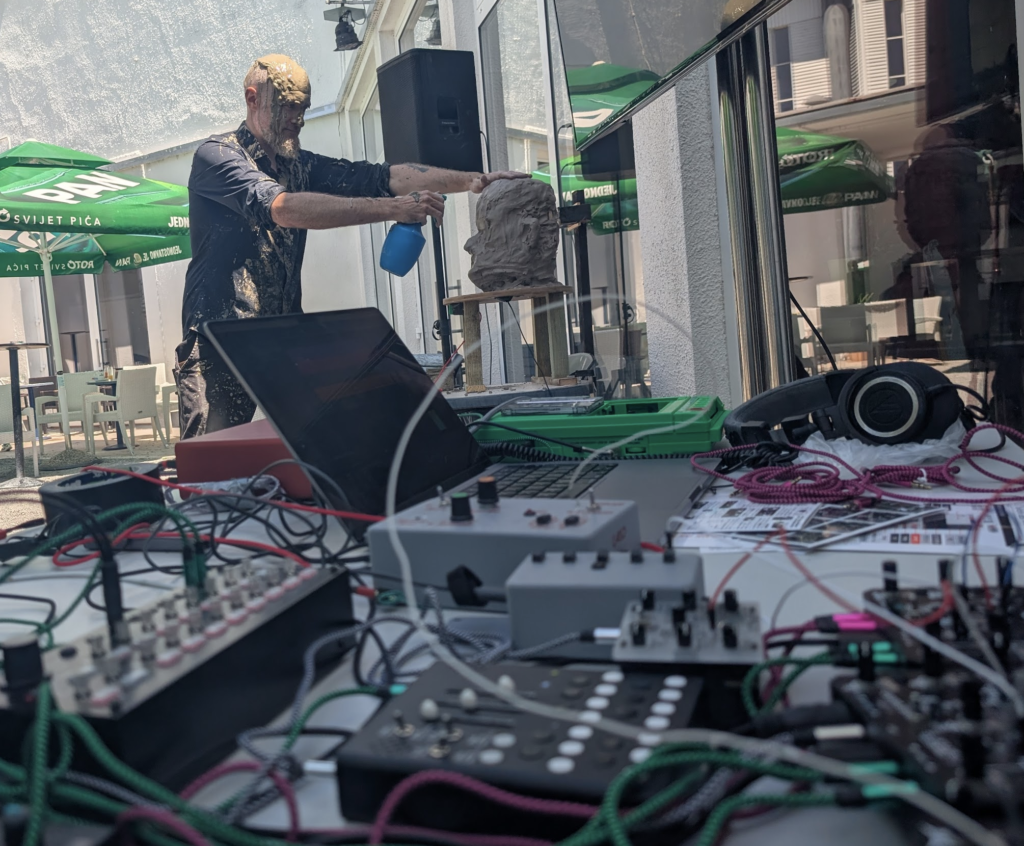
This live piece forms part of a dual live performance with Thomas Volda, Repeated Resonant Figures combining stop motion animation, puppetry, human performance and live experimental soundscapes.
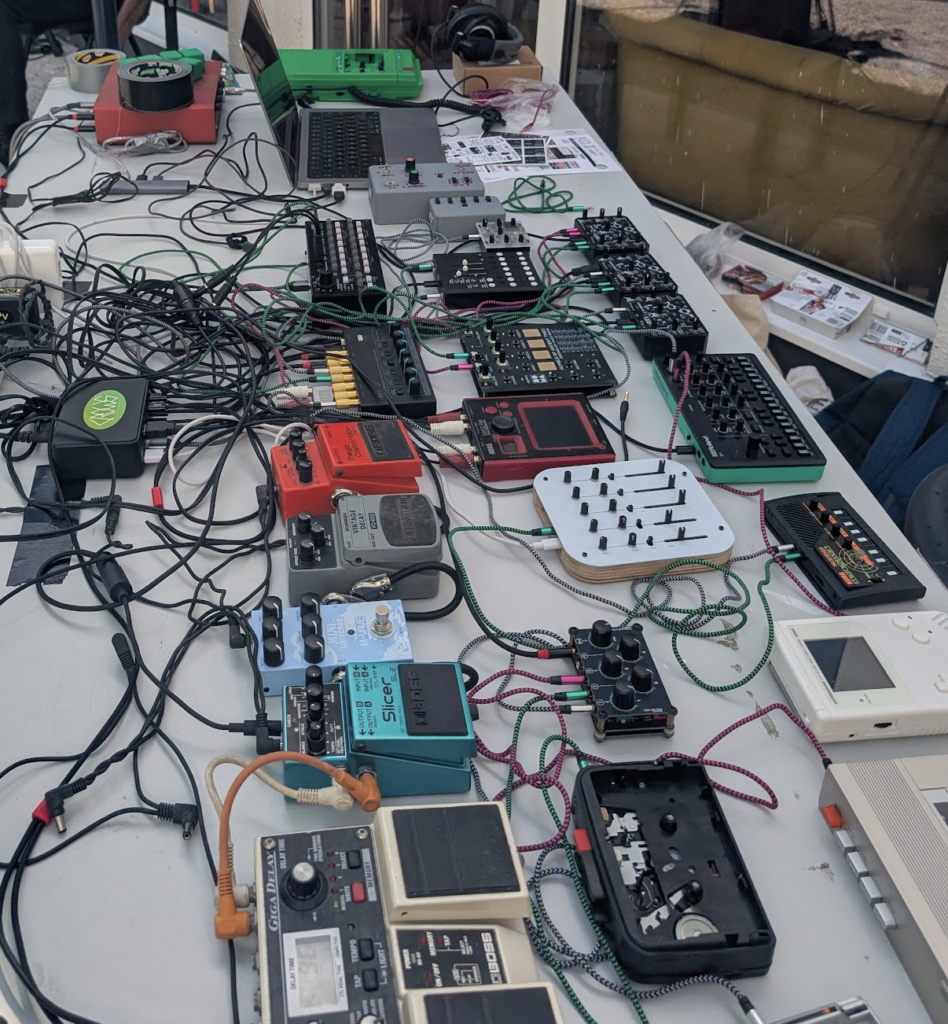
Over eight hours, a prepared scrapbook of documentary tapes form the foundations of the soundtrack, progressing through the history of text parsers, microprocessors, automation, dipping into the urge to replicate sentience in modern LLMs before measuring the tragic results of unchecked affirmation.
Performed at Animafest, Zagreb, June 2026
Content warnings:
Mental health, suicide
Sources:
For a complete list of sources visit: Resonant Figures Links
Other links:
If you are seeking help due to overuse, misuse or the mental health impacts of AI, for yourself or someone you know, the Human Line Project may be able to help and welcome you into their community.
If you need to speak to a suicide prevention hotline in your area:
Thanks to:
Ivana Volda, Margareta Šarkanji, Ivana Fijala, Tena Kovačić, Matea Milić, Daniel Šuljić, and Brada.
And the the whole incredible Animafest team!
And thank you Robin Hawkins and Freddie Nash for help with the tech gizmos.